Lemania

Dead Brand Chronographs

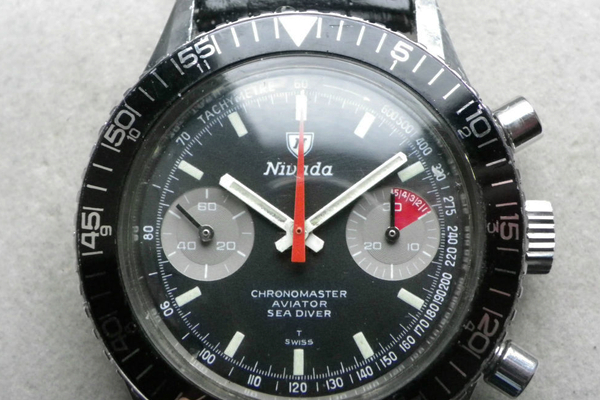
An interesting subject in collecting vintage watches for me has always been those so called "dead" watch brands that made chronographs pre-1970's.

Once the quartz crisis took hold, only a few managed to actually survive, and the majority of those were bought by the Swatch Group or other large conglomerates. 

The rest, all gone (unless their names alone have been revived for some marketing reason).

Names like Nicolet, Gigadnet, Wakmann, Cyma, Gallet, Zodiac, etc. There were literally hundreds of these brand names that popup up pre-1970s. Some were owned by bigger brands, for example, Wakmann, which belongs to Breitling. This brand was used to assemble watches in the USA to avoid certain taxes when the watches entered assembled.
Dead Brand Chronographs

Lemania: History and Follow Up

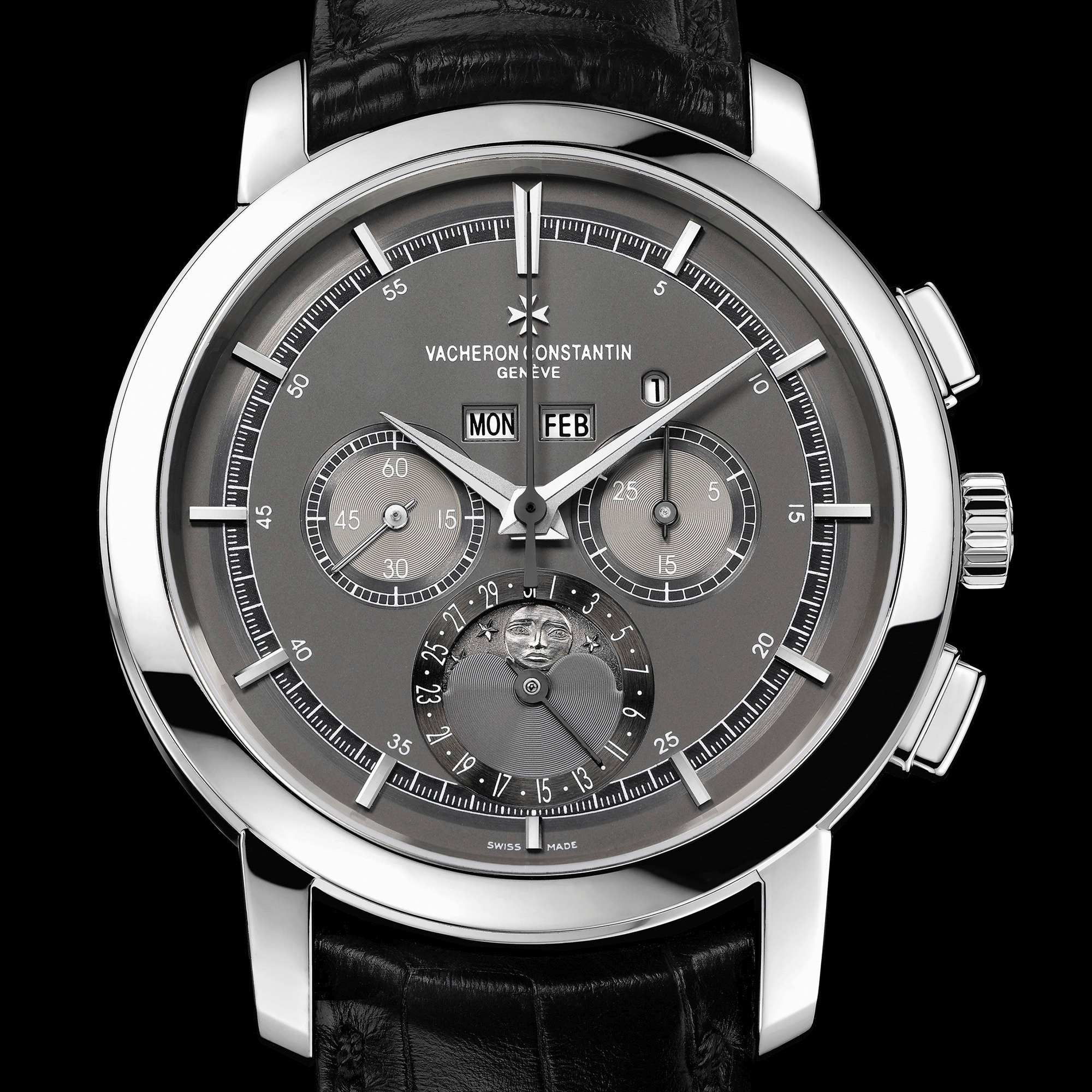
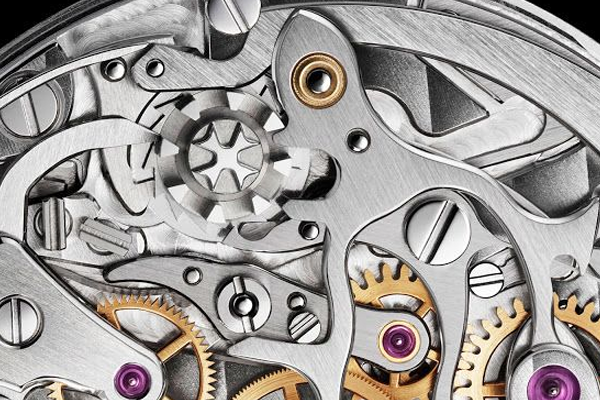
As a follow up to a previous article where I discussed the connection between the Omega Speedmaster manual movements, and the Vacheron Constantin 1141/1142, and the Patek Philipper CH 27-70, since they all used the same Lemania based caliber, I also 

thought it’d be a good idea to give some more background on who Lemania was and is, especially their intimate connection with Omega via the SIHH.

Lemania: History and Follow Up

Cousins: Vacheron Constantin 5000T, Patek Philippe 5070, Omega Speedmaster

One of the things I’ve learned as I continue my journey in the watch collecting and watch hobby world, is that there really was a “golden age” of watchmaking. This golden age reached its summit somewhere around 1970 after Seiko released the world’s first commercial Quartz wristwatch on December 25, 1969, which in turn started what was dubbed the “Quartz Crisis” (how's that for a Christmas present!).

The “Quartz Crisis” referred to the fact that many manufacturers of mechanical watches, some that had been around since the 1800’s started to disappear by the hundreds as people started buying Quartz watches in favor of mechanical ones. Some companies survived of course, but the majority that did were gobbled up by large conglomerates such as The Swatch Group, who bought Omega, Longines, Breguet, to name just a few, or Financière Richmond SA who bought IWC, A. Lange And Sohne, and Vacheron Constantin, again to name just a few.

Cousins: Vacheron Constantin 5000T, Patek Philippe 5070, Omega Speedmaster

The Ultimate Watch Collection: Tool/Dive Watch

I combined the categories of "Tool" and "Dive" watch, which are usually separate, because of the fact these are essentially obsolete categories in our modern world.

So much so, that I even contemplated referring to this as the "Vintage" watch category.

In other words, gone are the days when any given military or air force division, etc., would call a luxury watch brand to make them a watch, fine tuning the hands or the dial for their specific needs, which led to some iconic watches like the Submariner, Mark IX, W10, etc.

Today, there's only one choice for any non-civilian use and thats a G-Shock. There are some rare exceptions, but not really.

A G-shock will make any Submariner seem fragile, and is so cost effective they're almost disposable.

The Ultimate Watch Collection: Tool/Dive Watch

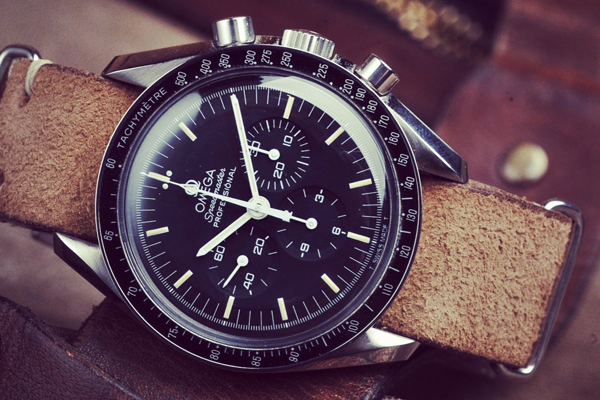
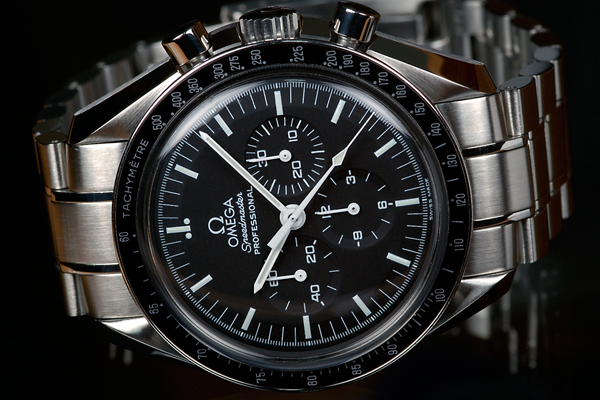
Icons: Omega Speedmaster

This was the original post to this blog, but as we revamp things, we are going back and publishing articles again. This is also due to the great news that Spazz.com is now available on Apple News Publisher.

So here we go...

Being the first entry of this blog I thought it best to begin with some basic info about the kind of advice one can expect to get from Spazz.com, and in doing so, I will use a true classic as my reference: the Omega Speedmaster. 

First and foremost, it is my opinion (and should be yours too), that overpaying is not a good thing. But in the world of watches it can be tricky to identify when you are overpaying. Of course sometimes it's dead easy, i.e. any Hublot, but often times it can be tricky. 

Icons: Omega Speedmaster

Omega Speedmaster/Seamaster Mark Series

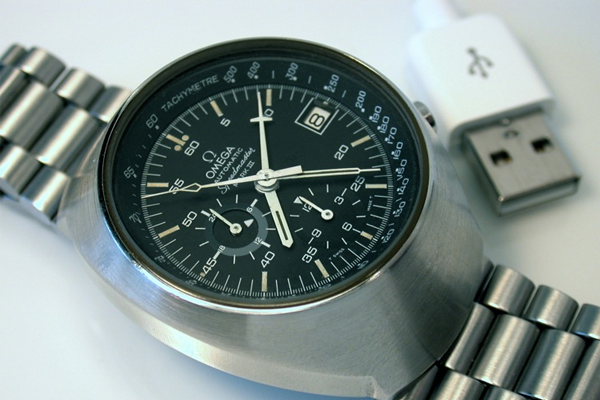
A very interesting watch is the Omega Speedmaster Mark Series. Omega also made some Seamaster variants, which are also interesting.

Its not as iconic as the legendary Speedmaster from 1957 onward, but given it's main era was the 70's, it does have an iconic look, case and dials, that make them appealing.

And the question is how will their value proceed from here?

My personal question about these watches is that they feature, for the most part the 1040/1041/1045 series of movements (but remember the Mark 2 had the legendary c.861). And even though they are part of the Omega-Lemania partnership of movements, it is commonly accepted that the 10xx series of Omega movements were the beginning of the end of their fabulous run of top-notch in-house movements.

Omega Speedmaster/Seamaster Mark Series